
Video Brings Eyes, Eyes Buy Landscaping
For many landscaping companies, video feels like a “nice to have” marketing tool. Something to post when there’s time. Something that looks good on social media. Something competitors are doing, but not always with a clear strategy.
But the right video content can do much more than fill your feed.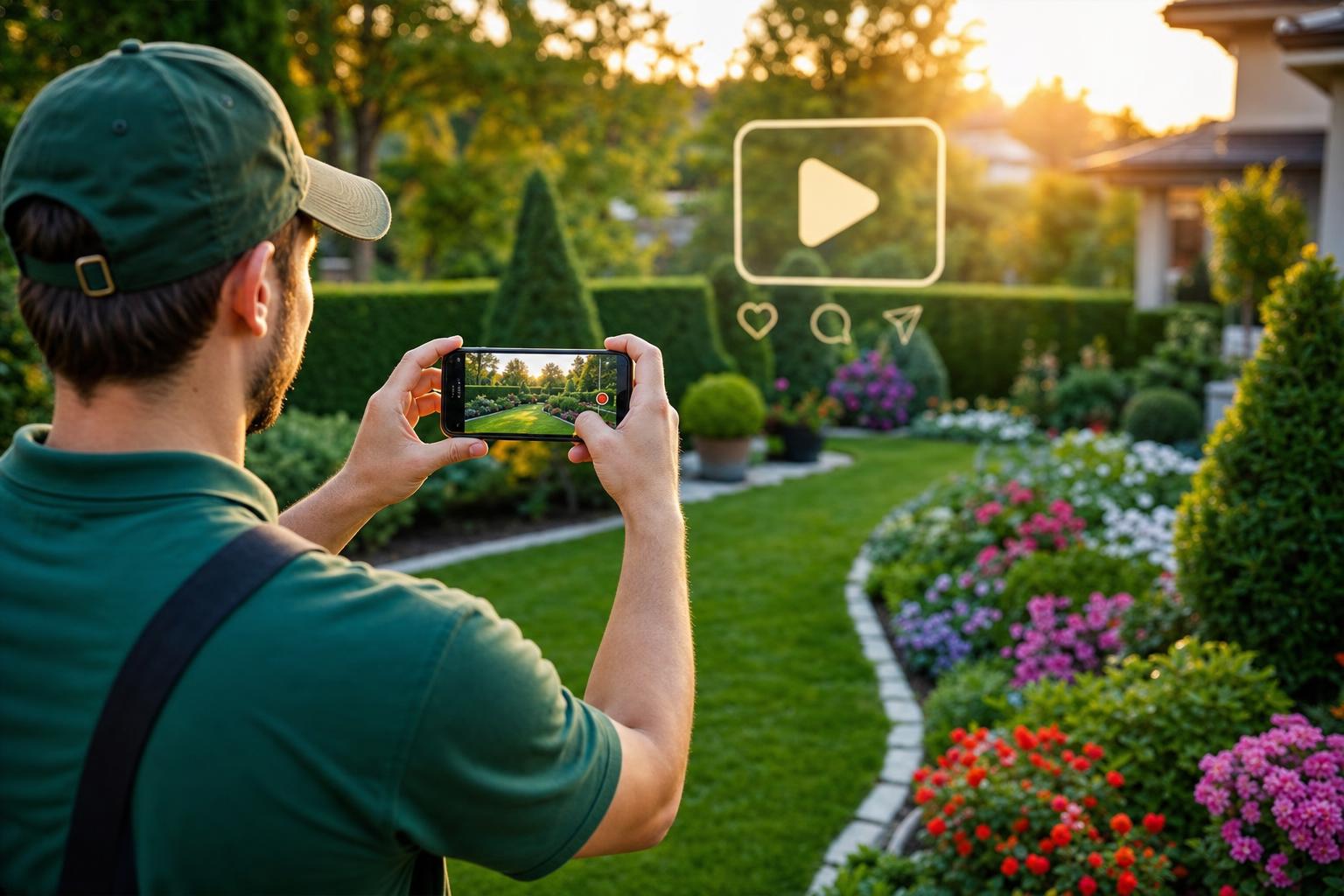
For landscape contractors, video can help potential customers understand your work, trust your process, compare services, and feel confident enough to request an estimate or schedule a consultation.
The key is creating videos that answer real buyer questions and support the decision-making process — not just videos that look impressive.
If your goal is to generate more qualified landscaping leads, here are the types of video content worth prioritizing.
Why Video Brings Leads
Landscaping is visual, personal, and trust-based.
Homeowners and property managers are not just buying plants, patios, turf, irrigation, or maintenance. They are hiring a company to improve and care for a highly visible part of their property.
That means they want to know:
- What kind of work do you do?
- Do you handle projects like theirs?
- Are you professional and reliable?
- What will the process be like?
- Can they trust your team on their property?
- Will the finished result match their expectations?
Video answers those questions faster than text alone.
A well-planned video can show your craftsmanship, explain your services, introduce your team, and reduce uncertainty before a prospect ever contacts you.
1. Project Walkthrough Videos
Project walkthrough videos are one of the strongest content types for landscapers because they show real work in context.
Instead of simply posting finished photos, walk viewers through the project and explain what was done.
What to include:
- The original problem or goal
- The design approach
- Materials used
- Key features installed
- Challenges solved
- Maintenance considerations
- The finished result
Example:
“This backyard had poor drainage, limited usable space, and an outdated patio. We redesigned the area with a larger paver patio, corrected the drainage with grading and underground solutions, added low-maintenance plantings, and installed lighting for evening use.”
This type of video helps prospects see how you think, not just what you build.
It also attracts better leads because people with similar problems can recognize themselves in the project.
2. Before-and-After Landscaping Videos
Before-and-after content is simple, visual, and highly effective for landscaping marketing.
People love transformation. A strong before-and-after video can quickly communicate the value of professional landscaping.
Best uses for before-and-after videos:
- Landscape design installations
- Outdoor living spaces
- Patio and hardscape projects
- Lawn renovations
- Sod installation
- Drainage corrections
- Commercial property improvements
- Seasonal cleanups
- Mulch and bed refreshes
Practical tip:
Do not only show the final result. Capture the “before” clearly from multiple angles before work begins.
Then film the same angles after the project is complete. This makes the transformation easier to understand and more compelling.
Simple video structure:
1. Show the property before work started
2. Identify the problem
3. Show clips of the work in progress
4. Reveal the finished result
5. Explain what changed and why it matters
This type of video is easy to use on your website, Google Business Profile, Facebook, Instagram, YouTube Shorts, and paid ads.
3. Service Explanation Videos
Many landscaping leads are not ready to call because they do not fully understand what they need.
Service explanation videos help educate prospects and position your company as the expert.
These videos should be short, clear, and focused on common services.
Landscaping service video ideas:
- What’s included in a landscape design consultation?
- How does a paver patio installation work?
- When should you repair vs. replace a lawn?
- What causes standing water in the yard?
- Is sod or seed better for your property?
- What is included in a seasonal cleanup?
- How often should commercial landscaping be maintained?
- What should homeowners know before installing outdoor lighting?
Example:
A video titled **“How Our Landscape Design Process Works”** could explain:
- Initial consultation
- Site evaluation
- Budget discussion
- Design recommendations
- Proposal and timeline
- Installation process
This type of content helps reduce confusion and can improve lead quality because prospects have a better understanding of your process before they reach out.
4. Problem-Solution Videos
Your best video topics often come directly from the problems your customers complain about.
Problem-solution videos are powerful because they meet prospects where they are. Instead of saying, “We offer landscaping,” you address the issue they are actively trying to solve.
Strong problem-solution topics for landscapers:
- “Why does my yard hold water after it rains?”
- “Why is my grass patchy even after fertilizing?”
- “How can I make my backyard more usable?”
- “Why do my mulch beds wash out?”
- “How do I stop weeds from taking over my landscape beds?”
- “What can I do with a sloped backyard?”
- “Why are my plants dying near the foundation?”
- “How can I improve curb appeal before selling my home?”
Example video outline:
**Topic:** Why Your Yard Holds Water After Rain
- Explain the common causes: grading, compacted soil, poor drainage, gutter discharge
- Show an example of standing water
- Explain possible solutions: regrading, French drains, dry creek beds, drainage pipe, soil improvement
- Invite viewers to schedule an evaluation if they need help
This approach makes your video useful and helps attract people with a real need.
5. Frequently Asked Question Videos
FAQ videos are excellent for turning hesitant prospects into leads.
Your sales team, office staff, and estimators probably answer the same questions every week. Those questions are content opportunities.
Common FAQ video topics:
- How much does landscaping cost?
- Do you offer free estimates?
- How long does a typical project take?
- Do I need a design before installation?
- Can landscaping be done in phases?
- What areas do you serve?
- Do you handle permits?
- What is the best time of year to start a landscaping project?
- Do you offer maintenance after installation?
- What should I do before my consultation?
Why these videos work:
They remove friction.
When prospects know what to expect, they are more likely to take the next step. FAQ videos can also save time by answering basic questions before the sales conversation.
Important note about pricing videos:
You do not need to give exact prices if every project is custom. But you can explain what affects cost, such as:
- Property size
- Materials
- Access
- Drainage needs
- Design complexity
- Plant selection
- Hardscape features
- Labor requirements
This gives prospects helpful context without locking your company into a one-size-fits-all number.
6. Team Introduction Videos
Landscaping is a relationship business.
Prospects want to know who they are hiring. A simple team introduction video can build trust before the first call.
What to include:
- Who you are
- What areas you serve
- What services you specialize in
- Your company values
- What customers can expect
- Why your team cares about the work
This does not need to be overly polished. In fact, a natural, authentic video often works better than something that feels too scripted.
Example:
“Hi, I’m Mike with Green Valley Landscapes. We help homeowners in the area design and build outdoor spaces that are beautiful, functional, and easier to maintain. Whether you need a full backyard transformation or help solving drainage and curb appeal issues, our team walks you through the process from consultation to completion.”
A team video is especially useful on your homepage, About page, landing pages, and email follow-ups.
7. Maintenance Tip Videos
Maintenance tip videos can help attract homeowners and property managers who care about keeping their landscape looking good.
These videos are especially useful if your company offers recurring maintenance, lawn care, seasonal cleanups, pruning, fertilization, irrigation, or commercial landscape management.
Maintenance video ideas:
- How to keep mulch beds looking fresh
- When to prune shrubs
- How often to water new plants
- Signs your irrigation system needs adjustment
- How to prepare your landscape for winter
- Spring cleanup checklist for homeowners
- Summer lawn care mistakes to avoid
- How to protect plants during heat stress
These videos create value and keep your company visible throughout the year.
They can also position your team as the obvious choice when a viewer decides they would rather hire a professional than handle the work themselves.
8. Commercial Landscaping Videos
If your company serves commercial clients, video can help communicate professionalism, reliability, and scale.
Property managers, HOA boards, office parks, retail centers, and facility managers often care about different things than homeowners.
They want to know:
- Can you maintain a consistent schedule?
- Can you handle large properties?
- Do you understand safety and presentation?
- Will you communicate clearly?
- Can you help protect the property’s appearance?
Commercial video ideas:
- Property maintenance walkthroughs
- Seasonal color installation examples
- Snow and ice preparation videos, if applicable
- HOA landscape maintenance overview
- Commercial curb appeal improvements
- Safety and crew process videos
- Irrigation inspection explanations
For commercial leads, videos should focus less on emotion and more on reliability, process, and property value.
9. Short-Form Social Videos
Short-form videos can be useful for visibility and engagement, especially on platforms like Instagram, Facebook, TikTok, and YouTube Shorts.
But they should still have a purpose.
A random clip of a mower or patio installation may get views, but a strategic short video can create interest and push people toward an inquiry.
Short-form video ideas:
- “3 ways to improve curb appeal”
- “Backyard patio transformation in 20 seconds”
- “Drainage problem we fixed this week”
- “Plant combo for low-maintenance landscaping”
- “One mistake homeowners make with mulch”
- “Before you install a paver patio, know this”
- “What we look for during a landscape consultation”
Simple formula:
**Hook:** Name the problem or result
**Visual:** Show the work or example
**Tip:** Explain one helpful insight
**CTA:** Tell viewers what to do next
Example:
“Thinking about a paver patio? Don’t ignore drainage. If water has nowhere to go, it can shorten the life of the installation. During our consultations, we look at grading, runoff, and base preparation before recommending a design.”
Short videos are easy to repurpose across multiple platforms, but they should connect back to your services.
10. Website Videos That Support Conversions
Not every video should live only on social media.
If lead generation is the goal, your website should use video strategically.
Best places to use landscaping videos on your website:
- Homepage
- Service pages
- Project gallery
- Landing pages
- About page
- FAQ page
- Blog posts
- Contact page
How video supports leads:
- Shows proof of workmanship
- Explains services clearly
- Builds trust in your company
- Keeps visitors engaged longer
- Helps prospects self-qualify
- Supports stronger calls to action
Example:
On a **landscape design service page**, include a short video explaining your design process, showing clips of completed projects, and inviting visitors to schedule a consultation.
On a **drainage solutions page**, include a video explaining common causes of yard drainage problems and showing examples of solutions your team provides.
This makes each page more helpful and more persuasive.
What Makes a Landscaping Video Lead-Focused?
A video does not need to be expensive to be effective. But it does need to be intentional.
Lead-focused landscaping videos usually include these elements:
1. A clear audience
Know who the video is for:
- Homeowners
- Property managers
- HOA boards
- Commercial facility managers
- Real estate professionals
- Builders or developers
2. A specific problem or goal
Avoid generic videos. Focus on one topic at a time.
Instead of:
“Landscaping Services”
Try:
“How We Turn an Unused Backyard Into an Outdoor Living Space”
3. Real visuals
Use actual job sites, team members, equipment, designs, materials, and finished work whenever possible.
4. Simple explanations
Do not overcomplicate the message. Explain the issue in plain language.
5. A clear next step
Every lead-focused video should tell viewers what to do next.
Examples:
- “Schedule a consultation”
- “Request an estimate”
- “Call us to discuss your project”
- “Visit our website to see more projects”
- “Book a property walkthrough”
Practical Video Plan for a Landscaping Company
If you are just getting started, you do not need dozens of videos right away.
Start with a simple content plan that supports your most important services.
Month 1: Foundation Videos
Create:
- Company introduction video
- Landscape design process video
- One project walkthrough
- Three FAQ videos
Month 2: Service Videos
Create videos for your core services, such as:
- Landscape design
- Patio installation
- Outdoor lighting
- Drainage solutions
- Lawn installation
- Seasonal cleanups
- Commercial maintenance
Month 3: Problem-Solution Videos
Create videos based on common customer pain points:
- Poor drainage
- Patchy lawn
- Overgrown beds
- Low curb appeal
- Unusable backyard
- High-maintenance landscape
- Outdated patio
This gives you a practical library of content that can be used on your website, social media, email follow-ups, ads, and sales conversations.
Common Video Mistakes Landscapers Should Avoid
Video can help your marketing, but only if it is created with the right strategy.
Here are common mistakes to avoid.
Mistake 1: Posting without a purpose
Every video should support awareness, trust, education, or conversion.
Mistake 2: Only showing finished projects
Finished projects are important, but prospects also want to understand the process, problem, and solution.
Mistake 3: Ignoring local relevance
Mention your service area when appropriate. Landscaping is local, so your content should make it clear where you work.
Mistake 4: Making videos too long
Short and focused is usually better. Many helpful videos can be 30 seconds to 2 minutes.
Mistake 5: Forgetting the call to action
If someone likes what they see, make it easy for them to take the next step.
Mistake 6: Not using videos on the website
Social media is useful, but your website is often where leads decide whether to contact you. Add videos to key pages.
How to Repurpose One Landscaping Video
One well-planned video can become multiple marketing assets.
For example, record a 3-minute project walkthrough.
You can repurpose it into:
- A YouTube video
- A short Instagram Reel
- A Facebook post
- A website project feature
- A blog post
- A Google Business Profile update
- An email newsletter
- A sales follow-up link
- Several still images
- Short clips for paid ads
This makes video more efficient and gives your team more content to use across channels.
Short FAQ: Video Content for Landscapers
What type of video should a landscaping company create first?
Start with a company introduction video and a project walkthrough. These help prospects understand who you are, what you do, and the quality of your work.
Do landscaping videos need professional production?
Not always. Professional video can be valuable, especially for website and brand videos, but many useful videos can be filmed with a smartphone if the lighting, audio, and message are clear.
How long should landscaping videos be?
Most marketing videos should be short and focused. Social videos may be 15 to 60 seconds. Website and service explanation videos may be 1 to 3 minutes. The goal is to be helpful without wasting the viewer’s time.
Where should landscapers post videos?
Use videos on your website, Google Business Profile, YouTube, Facebook, Instagram, email campaigns, and landing pages. The best platform depends on your audience and marketing