
Running a contracting business involves far more than completing the work customers hired you to do.
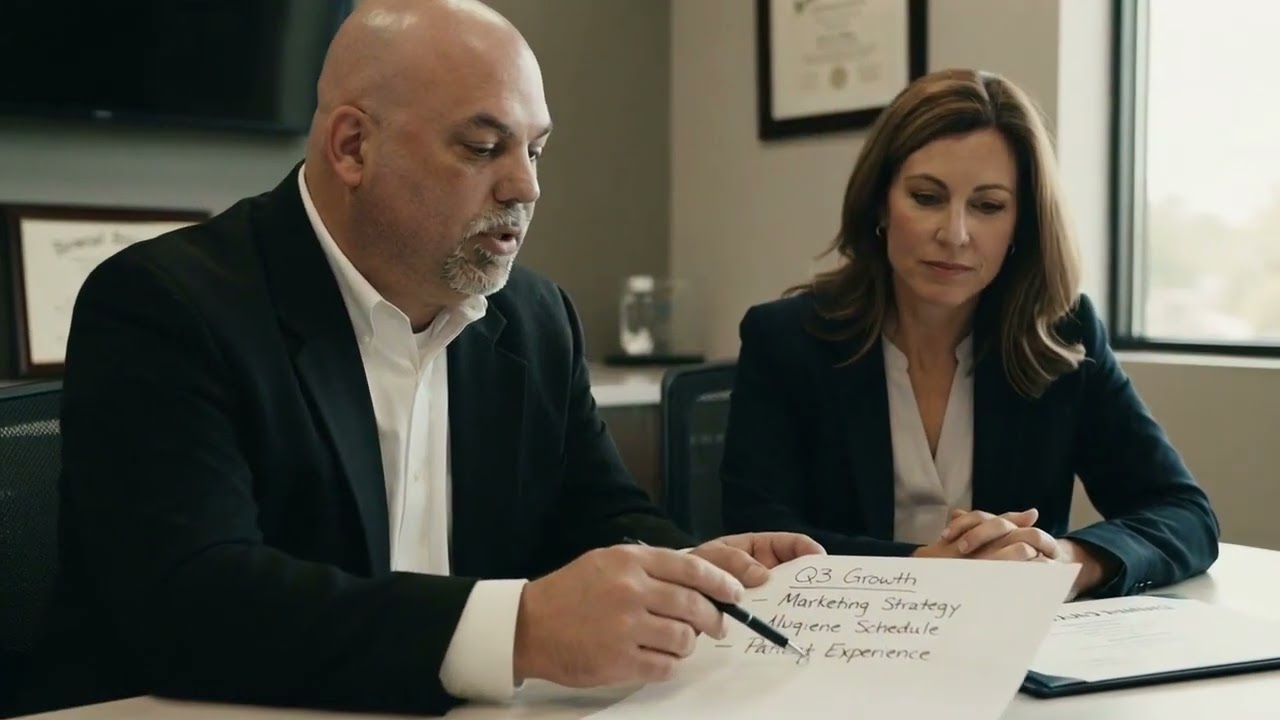
New inquiries need to be reviewed. Estimates pull information from multiple places. Job details need to reach the right people. Follow-up has to happen on time. When a task stalls, someone has to notice and move it forward.
A lot of this work is necessary. A lot of it also creates drag when every step depends on a person remembering, copying, checking, summarizing, or chasing the next action manually.
That is where agentic AI consulting can help.
The strongest starting point is a specific operational workflow. Instead of asking, “How can we use AI in the business?” ask, “Which repeated process is taking too much time, creating avoidable delays, or depending too heavily on someone remembering the next step?”
For contractors and trade business owners, these five areas are often the best places to examine first.
What Is an AI Agent?
An AI agent is a functioning system designed to work toward a defined outcome. Depending on how it is developed and connected, an agent may be able to review information, follow a process, prepare an update, trigger an action, or route a task to the right person.
A business AI agent is built around a workflow. That includes:
– What starts the process
– What information the agent needs
– Which rules it must follow
– What action it should take
– Where a person needs to review, approve, or decide
For example, if a new lead comes in while you are on a jobsite, someone may need to collect the contact details, review the requested service, check the service area, organize submitted notes, and prepare the follow-up. An AI agent could potentially coordinate defined parts of that process so the human conversation starts from a better place.
The exact design depends on your business, your tools, your rules, and the decisions that should remain with you or your team. That is why consulting comes before building.
1. New Lead Intake and Preparation
New leads are one of the best places to look for agentic AI because speed and organization matter.
A lead may arrive through a website form, email, phone message, referral, social media message, or another source. Before someone follows up, the business often needs to answer basic questions:
– Who is the customer?
– What service are they asking about?
– Where is the job located?
– Is the request inside your service area?
– Did they provide photos, notes, or project details?
– Is this urgent, routine, or unclear?
– Who should follow up?
An AI agent may be able to organize the submitted information, perform defined checks, prepare a concise lead summary, and place the opportunity into the correct follow-up path.
This does not mean an agent has to replace the sales call. For many contractors, the better use is reducing the preparation required before the call happens. The owner, estimator, or office team can respond with more context and less scrambling.
Good fit indicators
This workflow may be worth examining if:
– Leads arrive from multiple sources
– Someone manually copies lead information into another system
– Follow-up is delayed because the details are incomplete or scattered
– The same pre-call research happens repeatedly
– Leads sometimes get missed during busy days
A practical first agent may simply prepare the lead, summarize the request, flag missing information, and route it for human follow-up.
2. Estimate and Job Summary Assembly
Estimates often require information from several places. Customer notes may be in one system. Photos may be in another. Measurements may be in a field app. Requirements may be buried in a text thread or email chain.
Then someone has to assemble that information before an estimate, proposal, work order, or job review can move forward.
An AI agent may be useful when the assembly process follows recognizable rules. It could potentially gather the designated information, organize it by job, prepare a draft summary, and highlight missing pieces for review.
The human still reviews the details before they are used for pricing, scheduling, customer communication, or operational decisions. That review step is important, especially in contracting work where measurements, materials, site conditions, and customer expectations matter.
Good fit indicators
This workflow may be worth examining if:
– Estimate preparation requires information from multiple tools or people
– Photos, notes, and measurements are frequently scattered
– Office staff or owners spend time rebuilding the story of the job
– Missing information causes delays
– The same summary format is created over and over
A useful agent in this area could save time by preparing the starting point, while your qualified team keeps control of the final estimate.
3. Stalled Task and Handoff Follow-Up
Many contracting bottlenecks happen because the next step is unclear or forgotten.
A job is waiting for a part. An estimate needs approval. A customer needs a callback. A permit status has not been checked. A field question needs an answer. A team member thinks someone else has it covered.
These issues are rarely dramatic in the moment, but they add friction. One stalled handoff can delay a job, frustrate a customer, or force the owner to become the reminder system for the entire company.
A properly designed AI agent may be able to monitor defined status information, recognize when a task has not advanced, and remind or route the task to the right person.
The goal is simple: clearer handoffs and fewer dropped actions.
Good fit indicators
This workflow may be worth examining if:
– Jobs or estimates sit still because no one owns the next step
– The owner frequently has to chase internal updates
– Follow-up depends on memory instead of a defined process
– Work is delayed because status information is not being watched
– The same reminders are sent manually every week
This can be one of the most practical agentic AI use cases because the agent is not making complex business decisions. It is helping the team notice when something needs attention.
4. Recurring Operational Updates and Reports
Many contractors have a recurring update rhythm, even if it is informal.
Someone checks what changed overnight. Someone reviews active jobs. Someone looks at estimates, service tickets, schedules, invoices, or open tasks. Then that person sends a morning update, weekly summary, or internal status report.
If the same update is created repeatedly from the same sources, it may be a good candidate for an AI agent.
An agent may be able to retrieve designated information, organize it in a consistent format, and prepare the update for human review. Your team can then spend less time assembling the report and more time dealing with exceptions, decisions, and customer needs.
Good fit indicators
This workflow may be worth examining if:
– A status report is created daily or weekly
– The report pulls from the same systems each time
– Someone manually checks multiple places to identify what changed
– Team communication slows down when the update is late
– The business needs better visibility into open items
For example, a morning operations agent could prepare a summary of active jobs, estimates awaiting action, open customer questions, and stalled tasks. A manager can review it before sharing or acting on it.
5. Customer Follow-Up, Review Requests, and Reputation Workflows
Customer follow-up is important, but it is easy to push aside when crews are busy and new work is coming in.
After a job is completed, someone may need to send a thank-you message, request a review, check whether there are unresolved concerns, or make sure the customer received the right next-step information. For contractors, these small touches can support referrals, repeat business, and local visibility.
An AI agent may be able to help organize this process when the rules are clear. For example, it could identify completed jobs, prepare a follow-up message for review, remind the team to request a review, or flag customers who may need personal attention before a review request is sent.
Human review matters here because customer communication affects trust. Sensitive situations, complaints, warranty concerns, and unusual job circumstances should stay in the hands of your team.
Good fit indicators
This workflow may be worth examining if:
– Completed jobs do not always receive follow-up
– Review requests are inconsistent
– The team forgets to ask satisfied customers for feedback
– Customer notes are scattered across systems
– Reputation tasks depend on whoever remembers that week
A good agentic workflow can make follow-up more consistent while keeping the personal touch where it belongs.
How to Choose the Right First AI Agent Project
The best first project is usually narrow, repeated, and operationally clear.
A workflow may be worth examining when it has several of these characteristics:
– It happens repeatedly
– It follows a recognizable series of steps
– It requires information to be copied between people or systems
– Delays happen when someone forgets to follow up
– One person has to gather and summarize information for others
– The work is important but takes time away from customers, jobs, or higher-value decisions
Tasks that rely heavily on complex judgment, changing field conditions, sensitive customer conversations, or decisions without clear rules usually require more human involvement. Some processes are better improved with better management, better software setup, or clearer team procedures before an AI agent is considered.
The value of agentic AI consulting is that it helps identify the practical fit before you invest in development.
Questions an Agentic AI Consultation Should Answer
A useful consultation starts with how work happens today. That includes the trigger that starts a process, the people and tools involved, the information being moved, the rules being followed, and the point where work slows down.
From there, the conversation should answer questions such as:
1. **What is the precise bottleneck?** “Administrative work takes too long” is broad. “Every new lead requires information from three places before the owner can call” is specific enough to examine.
2. **What should the agent accomplish?** The desired outcome might be a prepared lead summary, an assembled job update, a reminder, or a customer follow-up draft.
3. **What information does it need?** An agent needs access to the right inputs and clear rules for using them.
4. **Where is human review required?** You may want a person to approve customer communication, verify estimate details, handle exceptions, or make final decisions.
5. **How would the agent fit the existing process?** A useful system should support real operations rather than forcing your team into an impractical routine.
These questions turn general interest in AI into a defined business problem that can be evaluated.
If You Are Already Too Busy, Start Smaller
Being busy is often the reason to examine a workflow. It is also a reason to avoid an unfocused technology project.
You do not need to begin by redesigning the entire company. Start with one repeated process that creates a measurable operational frustration:
– An owner repeatedly preparing lead information
– An office employee copying the same job details
– A manager chasing stalled tasks
– A team member building the same report every week
– A completed job missing the follow-up it should have received
You also do not need to understand every technical detail before having the conversation. Your role is to explain what happens today, where it breaks down, and what a better result would look like. The research and development plan can follow from that operational picture.
What Happens During the Agent Building Consultation?
Marketing VIP offers a no-charge Agent Building Consultation focused on your business bottlenecks and the potential role of an AI agent.
The consultation is used to identify a process that may be streamlined or reduce human processing. From there, a research project can be established to explore the proposed solution and develop an AI project charter. If the charter presents a project you want to pursue, you will receive a project quotation to review and approve.
There is no need to commit to an undefined build just because you are curious about AI. The first decision is whether a particular workflow presents a practical development opportunity.
Web Search Professionals has been working at the forefront of agentic AI since 2022. The focus is on developing functioning agents around real business problems and practical workflows.
If repetitive processing, disconnected information, or missed handoffs are consuming time in your contracting business, schedule a free consultation. Bring one frustrating workflow, and we can examine whether it is a practical fit for an AI agent.
Schedule your Agent Building Consultation at Web-search-pros.com